Artificial Turf and Fire Ants in South Florida
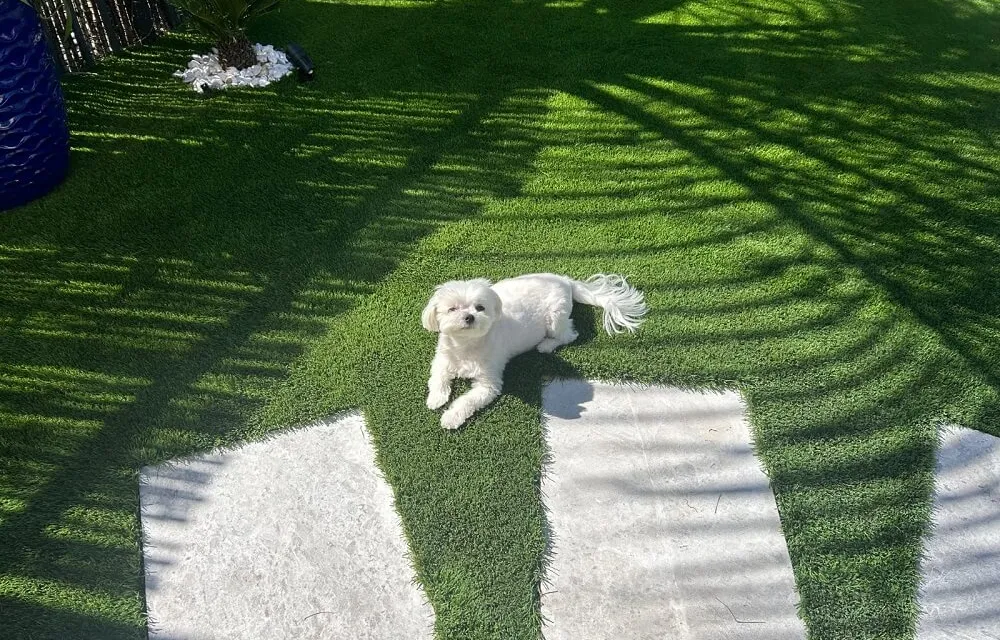
Anyone who has stepped on a fire ant mound barefoot in a South Florida backyard remembers exactly where it happened. Mounds show up fastest after a heavy summer rain, and a St. Augustine or Bahia lawn gives them exactly what they need to build one: soil that stays loose and damp just under the surface. Artificial turf changes that specific condition, which is why it comes up constantly with homeowners who’ve spent years re-treating the same stretch of yard. The honest version of that story involves what turf actually changes, what it doesn’t, and what happens to a mound that’s already there before installation day.
| Yard situation | What a natural lawn allows | What turf changes |
|---|---|---|
| Loose, moist soil under the grass | Easy tunneling and fast mound-building after rain | Compacted aggregate base replaces the loose soil in that footprint |
| Bare feet or a crawling toddler on the lawn | A mound can sit hidden in thick grass until someone steps on it | No soil gaps in the surface for a mound to form through |
| A dog that digs or rolls in the yard | Paws can disturb a mound and trigger a swarm | Nothing in the base for a colony to build into |
| Mulch beds and fence lines at the yard’s edge | Already a preferred nesting spot, independent of the lawn | Unchanged - still worth checking and treating separately |
| Rainy-season mound building, May through October | Mounds appear fastest right after heavy rain | Still true outside the turfed area |
It’s the base, not the fiber, doing the work
Synthetic turf fiber itself has no effect on an ant colony one way or another - what actually changes the equation is what gets built underneath it. A standard conversion strips the living lawn down to bare soil, grades it, and compacts a layer of aggregate base before the turf goes on top. That compacted layer is the opposite of what a mound needs: dense, well-drained, and nothing soft for a colony to tunnel through. Homeowners in Wellington dealing with ant activity near horse paddocks and paddock-adjacent lawns see this most clearly, since those properties often have the largest stretches of exactly the loose soil fire ants prefer.
Clearing an active mound is part of the standard tear-out
A lawn with visible ant activity doesn’t need special handling before a crew arrives - removing the old sod and the soil beneath it to the base’s required depth is standard on every residential job, and any mound sitting in that footprint comes out with it. There’s no separate chemical treatment involved and none is needed, since the excavation itself removes the material a colony was living in. That’s a meaningfully different situation than spraying a lawn and hoping a colony relocates on its own, which is the cycle a lot of Southwest Ranches and Parkland homeowners describe going through on acreage lots before they call about turf.
Where the honest limits are
Ants don’t need grass specifically - they need undisturbed soil, and a yard has plenty of that outside the turfed footprint even after a conversion. Mulch beds, planting borders, and the strip along a fence line are still soil, still soft, and still fair game for a new mound to form, turf or no turf. The same is true of whatever’s happening on the other side of a property line. None of that is a flaw in the installation; it’s just the difference between removing a specific habitat and removing every piece of exposed dirt on a property, which no lawn conversion claims to do.
Why it still matters for how the yard actually gets used
The practical upside shows up less in pest counts and more in how comfortable a yard feels to use. A turfed play area means a kid can run across it without checking the grass first, and a dog can dig and roll without turning up a mound mid-play. That’s a different kind of win than a pest-free property - it’s one specific, high-traffic surface that no longer carries that particular risk, which for a lot of families is the part that actually changes daily life in the yard.
Paying for a yard that’s done with ant mounds
The conversion prices the same whether ants are the reason for the call or not: landscape turf starts at $6.99 per square foot installed, pet turf starts at $8.99 for yards where a dog is out there most of the day, and financing splits the cost in half up front with the balance spread across 12 even, interest-free monthly payments, subject to approval. Govorex also builds pet-turf installations with a base designed for both digging and drainage - see pet turf for the specifics - and premium turf styles carry a 25-year manufacturer warranty against UV fade and fiber degradation from the turf maker itself. Start with the instant quote tool for a baseline number, or see residential artificial grass for the full conversion process, old lawn and mound removal included. Every project comes from a crew with 15+ years of experience, licensed and insured, serving Broward and Palm Beach County, with most installs finished within 48 hours.
Want your yard's real number? Outline it on a satellite map and see starting prices and a 12-month payment plan in about a minute — no sign-up.
Try the Instant Quote Calculator →