Artificial Turf Around Backyard Beehives in FL
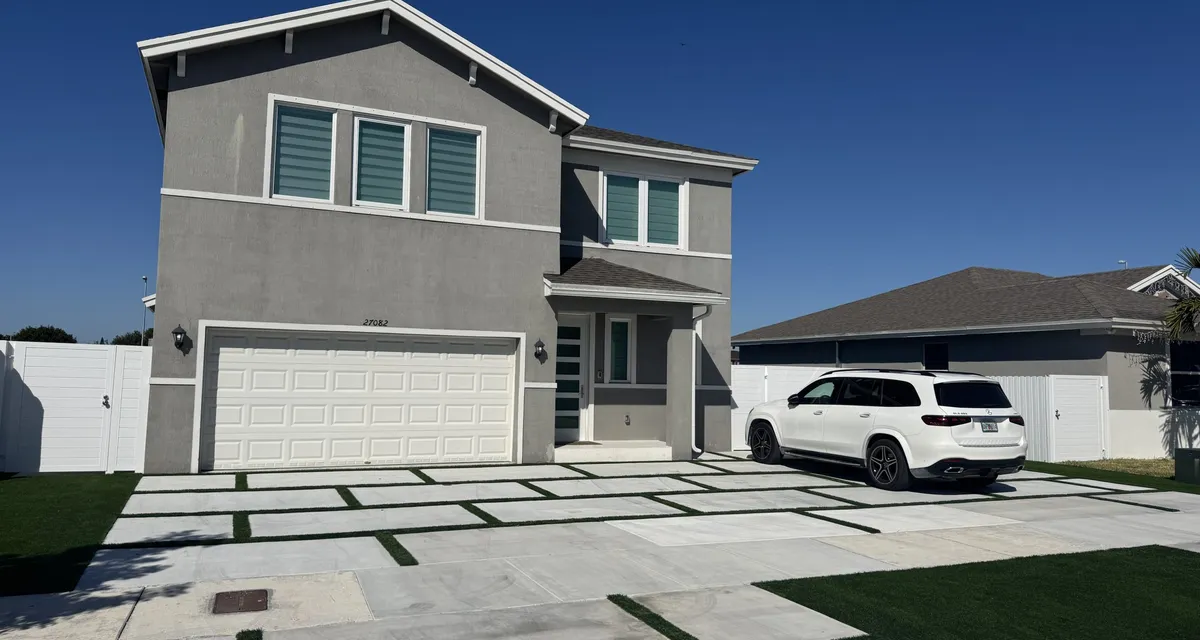
A homeowner on a half-acre lot in Southwest Ranches called Govorex last month with an unusual ask: two active hive boxes sit in the back corner of the property, and the grass around them had turned into a mowing problem nobody wanted to deal with every week. That’s a more common pairing than it sounds across Broward and Palm Beach County’s larger residential lots, where backyard beekeeping has grown alongside the same acreage that makes room for a pool, a paddock, or a pollinator garden. Artificial turf and an active hive aren’t in conflict — the two questions are just handled in a specific order.
Step one: deciding whether turf belongs near the hives at all
Bees navigate by sight and scent to find flowers, not by crossing open ground, so whatever covers the lawn between a hive and the nearest blooms doesn’t factor into how foragers work. What does matter is the hive’s entrance and flight path — the direct line bees take out and back — which needs to stay clear of anything tall or obstructive, turf or otherwise. Since synthetic turf lies flat, it’s actually a lower-profile ground cover near a hive stand than an overgrown lawn ever was.
Step two: mapping the flight path before anything gets measured
A free on-site visit is where this gets settled before any base work starts. Govorex notes the hive’s orientation, how far the flight path extends across the yard, and where the stand’s legs sit relative to the planned turf edge. In Wellington, where larger equestrian-zoned lots in zip 33414 often carry hives alongside horses and gardens, that mapping step is usually the same conversation as scoping turf around paddocks or garden beds — one visit, one plan for the whole property.
Step three: what changes in the install itself
Standard base prep — compacted aggregate, a permeable backing — doesn’t change near a hive. What does change is technique within a few feet of the stand: hand tamping instead of a vibrating plate compactor, and that section scheduled for a calmer part of the day rather than mid-afternoon when foraging traffic peaks. It adds a little coordination, not a different turf system, and a standard residential project still finishes within Govorex’s usual 48-hour window.
Step four: pairing turf with a pollinator bed instead of replacing one
Turf was never a nectar source any more than mowed grass was, so the real risk to bees isn’t synthetic turf — it’s losing flowering plants to it. The projects that work best turf a mowing strip or walking path around the hive and leave (or add) a planted pollinator bed nearby, similar to the edging approach covered in artificial turf pathways for garden beds. Homeowners in Parkland doing this on larger lots often turf the open lawn entirely and keep a dedicated planted strip just for the bees.
Where the cost lands
None of this moves the baseline rate. Residential artificial grass still starts at $6.99 per square foot installed, with financing available at 50% down and the balance split across 12 equal monthly payments, no interest, subject to approval. A hive on the property adds a scheduling note to the project, not a new pricing tier.
Anyone with hives already in place — or planning them — should mention it when booking a consultation. Get a starting number with the instant quote tool and flag the hive location in the notes; it gets mapped as part of the same free visit that scopes the rest of the yard.
Want your yard's real number? Outline it on a satellite map and see starting prices and a 12-month payment plan in about a minute — no sign-up.
Try the Instant Quote Calculator →