Artificial Turf Under Above-Ground Pools in South Florida
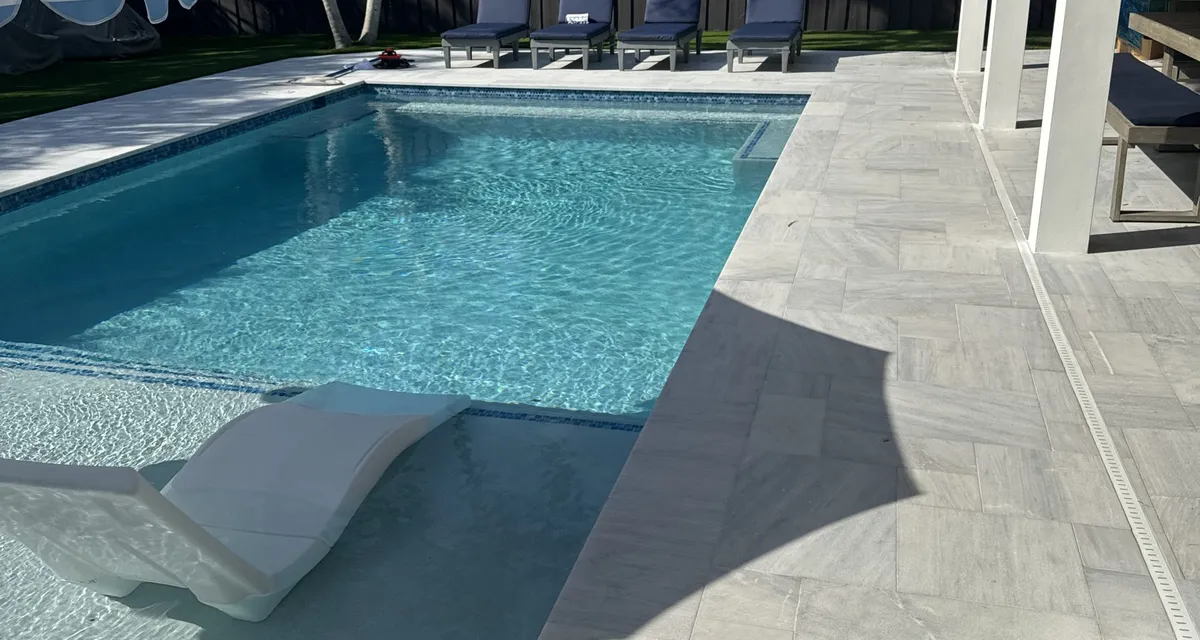
Every Memorial Day weekend, a family somewhere between Southwest Ranches and Lighthouse Point hauls a 15-foot above-ground pool out of the garage, levels it on the back lawn, and fills it for the grandkids’ summer visit - then breaks it down again in September and rolls it back into storage until next year. That cycle raises a question Govorex hears constantly from homeowners who’ve already made the switch to artificial turf: does setting a few thousand pounds of vinyl and water on a synthetic lawn every summer ruin it? The honest answer involves what actually happens to synthetic grass under sustained weight, where the moisture goes, and how to plan the lawn so the pool can keep coming out year after year without leaving a mark.
Setting Up a Seasonal Pool on an Established Lawn
A properly built artificial turf lawn isn’t just fiber laid over dirt - underneath it is a compacted aggregate base engineered to carry foot traffic, patio furniture, and parked equipment without shifting or rutting. That same base is what a pool’s weight actually rests on once it’s filled, and it spreads the load across the full footprint rather than concentrating it on a few contact points the way a pool resting on bare, unprepared soil would. The pile flattens under the floor of the pool while it’s up, which is a cosmetic, temporary effect rather than structural damage - the turf isn’t being crushed into the base, just pressed down at the surface.
What the Lawn Looks Like the Morning the Pool Comes Down
The matted outline left behind looks worse than it is. A few passes with a stiff push broom lift the fibers back toward vertical immediately, and the combination of that brushing and a week or two of normal sun exposure finishes the job - by the time the next round of yard furniture or a kid’s inflatable goes down, the spot is indistinguishable from the rest of the lawn. Homeowners in Coconut Creek who run the same pool on the same patch of turf every summer tell us the recovery gets faster each year, since the fibers settle into a consistent memory the longer they’ve been down.
Where the Water Actually Goes
Vinyl-sided pools splash, bead, and occasionally leak a slow trickle around the base plate, and on real sod that’s a recipe for a soggy, root-rotted patch by midsummer. Synthetic turf handles it differently because the backing is built permeable on purpose - water moves straight through the fibers and the base beneath rather than sitting against anything that can mold or mat. That’s one of the quieter reasons families who already converted the rest of the yard decide the pool spot should be turf too, instead of leaving a bare dirt circle that turns to mud every time the pool gets topped off.
Keeping the Board Happy About a Temporary Structure
Boards across the affluent corridor, including communities around Weston, generally treat a seasonal pool as its own item on the property - reviewed for height, setback, and whether it needs a safety fence - completely apart from whatever landscaping standard the turf underneath already satisfies. Putting a pool up for the summer doesn’t put the lawn’s existing approval back in front of the board; the two get reviewed on entirely separate terms, which is usually simpler than homeowners expect going in.
Planning the Footprint Before the Turf Goes Down
The one thing worth deciding before installation, not after, is exactly where the pool will sit and how much clearance it needs on every side for ladders, pumps, and the deck crew that services it each year. Govorex maps that footprint into the base plan itself, so the same spot takes the same seasonal weight without surprises, rather than guessing at placement once the lawn is already finished.
What This Costs to Get Right
Landscape-grade turf still starts at $6.99 per square foot installed, the same rate whether a pool goes up every summer or never touches the lawn at all, and pet turf starts at $8.99 for yards where a dog shares the space with the kids. A free on-site consultation sets the exact number once Govorex sees the yard and the pool footprint together. Start with the instant quote tool for a ballpark, or see residential artificial grass for the full installation process - every project comes from a crew with 15+ years of experience, licensed and insured, serving Broward and Palm Beach County, with most installs finished in 48 hours and financing available at 50% down with 12 no-interest monthly payments, subject to approval.
Want your yard's real number? Outline it on a satellite map and see starting prices and a 12-month payment plan in about a minute — no sign-up.
Try the Instant Quote Calculator →