Does Artificial Grass Keep Iguanas Away in Florida?
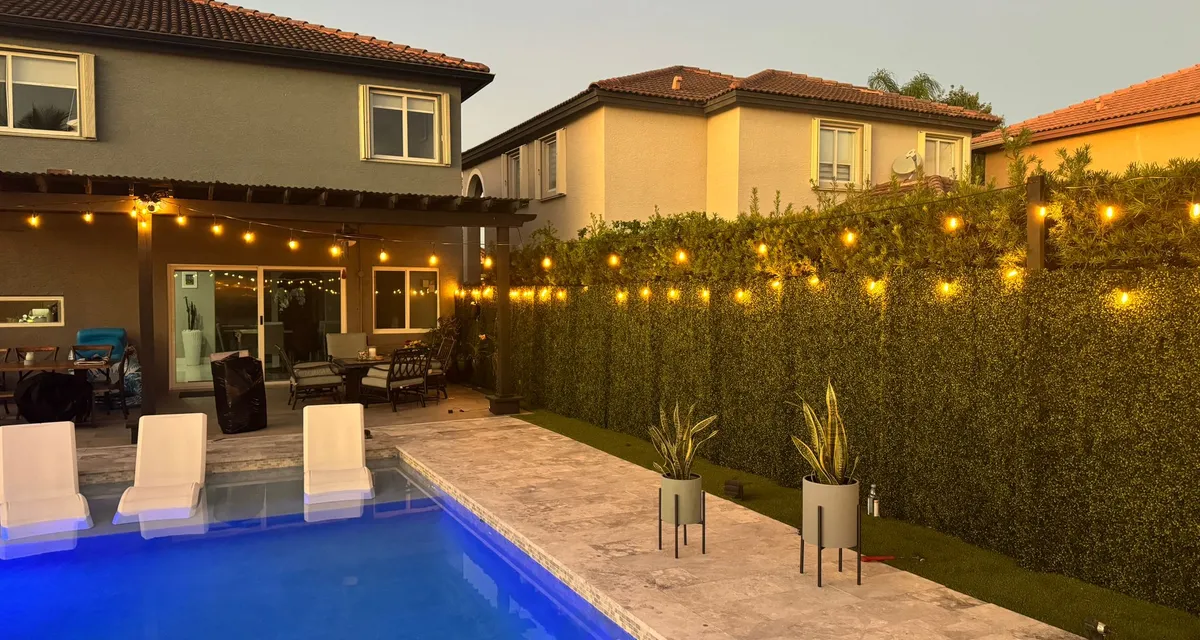
South Florida’s iguana population has turned “why does my lawn keep collapsing near the fence” into one of the more common questions Govorex hears from homeowners in canal-front and waterfront neighborhoods. Iguanas, along with smaller lizards and burrowing rodents, treat a soft, well-watered natural lawn as easy digging - and once artificial grass enters the conversation, the real question isn’t whether turf looks better, it’s whether it actually changes the digging problem underneath.
Why do iguanas and other wildlife dig up natural lawns?
Iguanas burrow to nest and to escape heat, and a natural lawn over irrigated, regularly turned soil is about as easy as digging gets - soft, moist, and free of obstructions. Canal banks, waterfront yards, and properties backing up to preserve areas in Boca Raton and Delray Beach see the heaviest activity because those yards sit closest to where iguanas already live and travel. The lawn itself isn’t the attraction - the loose ground underneath it is.
Does synthetic turf actually stop the digging?
It removes the specific thing iguanas are digging into. Underneath a properly installed artificial grass system, Govorex builds a compacted, engineered base rather than leaving loose soil in place - the same base standard used to keep termites and lawn pests from taking hold. That compacted layer is dramatically harder for an iguana to break through than the soft dirt under a natural lawn, so the burrow damage that shows up as sunken patches and torn-up turf edges on a live lawn largely stops happening on synthetic grass. It’s not a guarantee no animal ever tries - it’s a change in how workable the ground actually is.
What still needs attention once the lawn is turf?
Turf changes what happens at ground level in the converted area, not the wildlife pressure on the whole property. Mulch beds, loose soil around trees, and any remaining planting areas stay just as diggable as before, so a yard that goes partially turf often sees activity shift to whatever untouched ground is left. Homeowners in Wellington dealing with canal-adjacent properties usually pair a turf conversion with tighter edging around remaining beds, which also gives the yard a cleaner, more finished line where turf meets landscaping.
Does it make a bigger difference on waterfront and canal-front lots?
Yes, in practice - those are exactly the properties where Govorex sees the most iguana-related lawn damage, since canal banks are natural travel corridors for them. A full-yard conversion on a waterfront lot in Palm Beach Gardens or a canal-front property elsewhere in the corridor addresses the ground-level digging across the whole property at once, rather than leaving isolated patches of natural lawn that keep getting hit while the turfed sections hold up fine.
Is this something an HOA weighs in on?
Most architectural review boards across Broward and Palm Beach County don’t distinguish between a turf request driven by wildlife damage and any other reason for converting a lawn - they’re reviewing the sample and the finished look, not the motivation. Some boards in communities with a known, ongoing iguana problem in common areas have actually gotten more comfortable with turf over time, having already watched sod get replaced in the same spots year after year.
Getting a wildlife-prone yard looked at
Every property’s digging pattern - how close it sits to a canal, how much loose ground is exposed, what’s already been damaged - is different, which is why Govorex assesses it in person rather than guessing from a phone call. The instant quote tool gives a starting number, and residential artificial grass installs include full base repair and compaction as part of the standard scope, not an add-on. Every project comes from a crew with 15+ years of experience, licensed and insured, typically finished within 48 hours, serving homeowners across Broward and Palm Beach County, with financing available at 50% down and 12 no-interest monthly payments, subject to approval.
Want your yard's real number? Outline it on a satellite map and see starting prices and a 12-month payment plan in about a minute — no sign-up.
Try the Instant Quote Calculator →