Does Artificial Grass Attract Termites in Florida?
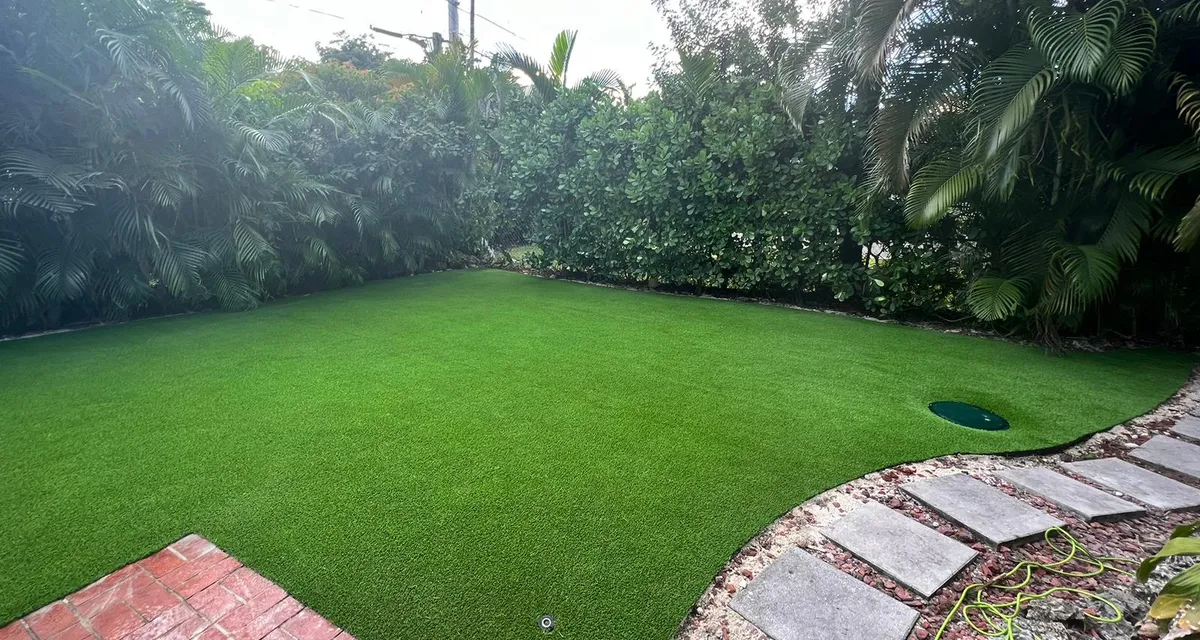
A dead patch of chinch-bug damage or a line of ants marching across a St. Augustine lawn is one of the more common reasons a South Florida homeowner starts looking at artificial turf in the first place - not because of cost or curb appeal, but because they’re tired of losing the fight against what’s living in the grass. The honest comparison is worth laying out clearly: a natural lawn hosts several pests that depend on it directly, synthetic turf removes that specific food source, and neither one changes what a home still needs for termite protection.
What a living lawn actually offers pests
Grass isn’t just green cover - it’s a food source and a habitat. Chinch bugs feed directly on turfgrass blades and thrive in thick thatch, mole crickets tunnel through root zones, and ants build mounds in soil that stays soft and moist under a canopy of grass. None of that is unique to a poorly maintained yard; it’s a byproduct of what a real lawn is made of, and it’s why the same pest problems show up across well-kept properties throughout Broward and Palm Beach County.
What changes once synthetic turf goes down
Once the living grass, root system, and thatch layer are gone, chinch bugs and mole crickets lose the specific plant material they need to survive in that spot - there’s nothing left to feed on or burrow through in a synthetic system. That’s a meaningful shift for homeowners in Coral Springs or Boynton Beach who’ve spent years reseeding or treating the same damaged sections every summer. The pests that specifically need a living lawn largely lose their reason to be there.
What doesn’t change
Ants are the honest exception - they don’t need grass specifically, just soft, undisturbed soil, so they can still nest along a fence line, in a mulch bed, or at the edge of a turf system if the base isn’t compacted well. That’s exactly why Govorex compacts and grades the base properly before any turf goes down, the same standard used to prevent drainage problems underneath the surface. And termites are a separate issue entirely: they target structural wood, not lawns, so a yard conversion doesn’t substitute for a home’s regular termite inspection and treatment plan.
The termite question specifically
Synthetic turf fiber and backing are made from materials with no cellulose content, so they offer termites nothing to eat - the surface itself isn’t a food source or an attractant. What can create a problem is what’s left underneath if an installation is done poorly: old sod, buried wood scraps, or leftover organic debris from a lawn removal can decay under a base and draw pests to that spot. A full removal of the old lawn and root material, not just a mow-and-cover job, is what keeps that from becoming an issue.
Weighing it against a lawn that keeps needing treatment
For a homeowner in Southwest Ranches or Wellington who’s already paying for seasonal pest treatments on a lawn that keeps coming back damaged, the comparison usually comes down to an ongoing cost that never resolves versus a one-time conversion that removes the habitat causing it. Turf doesn’t make a property pest-free - it removes the specific pests that depend on living grass, while leaving general pest control and termite protection exactly where they were before.
Getting a yard evaluated
A free on-site consultation is where Govorex checks what’s actually happening under a specific lawn - old growth, buried debris, drainage - before proposing a base and turf plan. The instant quote tool gives a starting number, and residential artificial grass covers the full conversion, old-lawn removal included. Every installation comes from a crew with 15+ years of experience, licensed and insured, typically finished within 48 hours, serving Broward and Palm Beach County, with financing available at 50% down and 12 no-interest monthly payments, subject to approval.
Want your yard's real number? Outline it on a satellite map and see starting prices and a 12-month payment plan in about a minute — no sign-up.
Try the Instant Quote Calculator →