Artificial Turf After a Storm: South Florida Cleanup
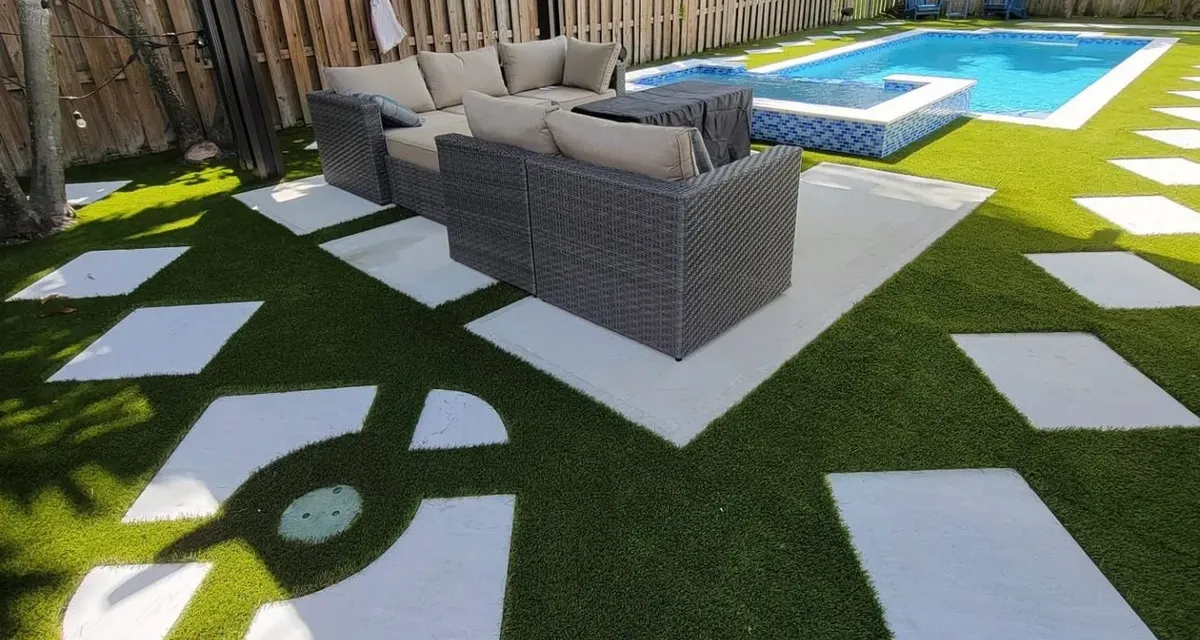
The morning after a tropical system moves through, most South Florida yards look the same: downed palm fronds, a layer of leaves and grit across every surface, and a lawn that needs a once-over before anyone can tell what actually happened underneath. Artificial turf handles a hurricane or tropical storm well when it was installed correctly - anchored edges, a compacted base, a backing that drains rather than traps water - but “handles it well” still means a homeowner in Fort Lauderdale or Boca Raton should walk the lawn before assuming it’s fine. Here’s the order that actually matters, not just a general “check your yard” reminder.
| Check | What you’re looking for | DIY or call Govorex |
|---|---|---|
| Edges and seams | A lifted corner, a gap at a fence line or paver border | Call if a seam has visibly opened |
| Debris and grit | Leaves, palm fronds, sand, or storm-surge silt on the surface | DIY - rake, blow, or hose it off |
| Standing water | Water still pooling in the same spot a full day later | Call if it repeats after each rain |
| Infill level | Bare or thin patches where heavy runoff pushed infill around | Call for a top-up if bare spots show backing |
| Nearby hardscape | Pavers or steel edging shifted into the turf’s cut line | Call if the edging itself moved |
The perimeter tells you more than the middle
Wind and runoff put stress on transitions, not open turf. A seam that was properly glued and weighted during installation doesn’t come apart on its own, so the first walk after a storm should trace every edge - where the lawn meets a paver walkway, a mulch bed, a pool deck, or a fence line - looking for anything lifted, curled, or gapped. The flat field in the middle of the yard is almost never where a real problem starts.
Debris is normal; damage is the exception
A yard covered in fronds, leaves, and wind-blown grit after a storm is just South Florida in storm season - none of that hurts the turf, and clearing it is the only “repair” most lawns actually need. A stiff outdoor broom, a leaf blower, or a garden hose handles it the same way it would handle a heavy pollen season, and it’s worth doing before the debris sits long enough to trap moisture underneath. Homeowners near Jupiter dealing with storm surge grit along a waterfront lot should give the surface an extra rinse, since sand and salt residue clear easily when it’s fresh and get harder to fully flush out the longer they sit.
When water sitting in one spot means something
Some standing water right after a major rain event is expected - the saturated ground underneath a turf lawn behaves the same way it would under sod. What’s worth a call is water that’s still sitting in the exact same spot a day later, especially if it happens again after the next normal rain rather than just the storm itself. That pattern usually points to a base or drainage issue below the turf rather than anything a homeowner can fix by rinsing or brushing, and it’s a different conversation than the general rainy-season drainage a lawn handles every summer.
Deciding what actually needs a repair call
Most of what a storm leaves behind - debris, grit, a little flattening from wind - resolves with the cleanup above and doesn’t need a technician. A lifted seam, a section where infill washed thin enough to expose the backing, or edging that visibly shifted are the exceptions, and they’re worth a quick assessment rather than a wait-and-see approach, since a small storm-related fix now is a much smaller job than the same problem left through another season of rain. Govorex handles these the same way as any other turf repair - by the size of the affected footprint, not the size of the lawn - and boards from Palm Beach Gardens to Delray Beach generally clear a repaired section on the same basis they’d clear new turf: does it read as maintained and consistent with the rest of the property.
Getting a quick assessment
If the perimeter checks out and the only thing on the lawn is debris, a synthetic grass yard has already done its job better than sod would have in the same storm - no mud, no drowned patches, no reseeding. If something did shift, a free on-site visit gets an exact answer on whether it’s a five-minute fix or a small patch, priced off the footprint rather than the whole yard, with the same 50% down and 12-month no-interest financing available on any residential project. Run the instant quote tool for a starting number on repair or replacement work anywhere across Broward and Palm Beach County.
Want your yard's real number? Outline it on a satellite map and see starting prices and a 12-month payment plan in about a minute — no sign-up.
Try the Instant Quote Calculator →