Artificial Turf and Irrigation Systems in South Florida
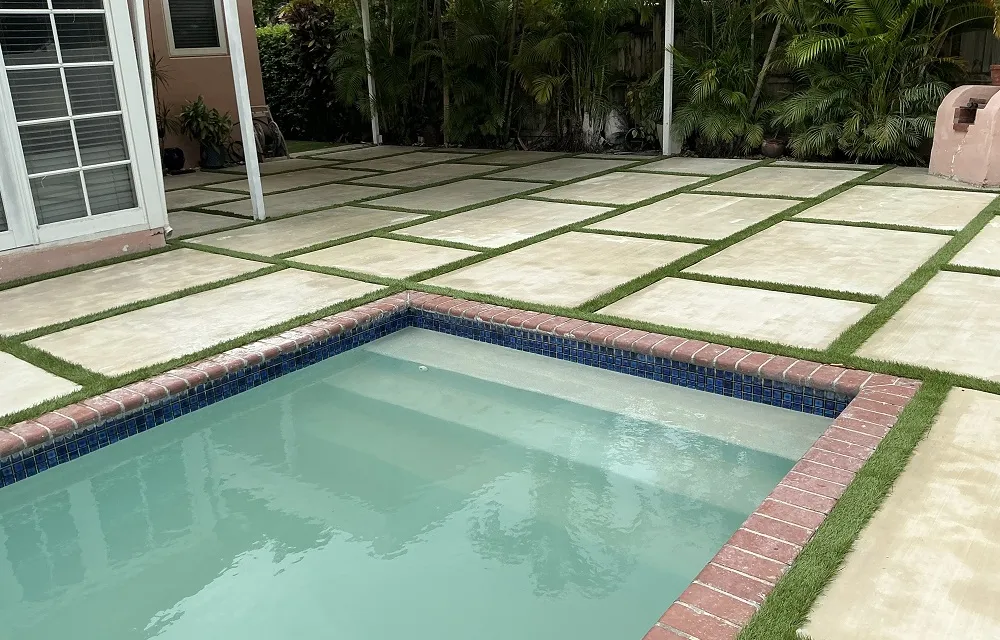
Most homeowners do not think about their sprinkler system until the day a Govorex crew is standing in the yard, and the first real question is what happens to the valve box and the dozen or so heads that have been watering grass for years. It is a smaller decision than picking a turf style, but it is one every conversion has to answer, and getting it right on install day avoids a soggy base or a controller running zones that no longer exist.
The moment sprinklers stop having a job
Once artificial turf goes down, the heads that were watering lawn area have nothing left to water. Leaving them active under a new surface is not just wasted water - a head that keeps firing under turf eventually pushes water sideways into the base rather than up into open air, which is exactly the kind of trapped moisture a well-built base is designed to avoid. So the first step on any full-yard conversion is identifying which heads served lawn only and which ones might still have a job watering something real.
What actually happens to the heads
For heads that lose their purpose, the standard move is capping them below grade rather than trying to remove the whole line, which would mean digging up more yard than the project needs. The valve stays in the ground, sealed off and inert, and the zone gets shut down at the controller so it never fires again. It is a quick, permanent fix that does not require re-plumbing the yard - homeowners in Jupiter and Parkland with older, multi-zone systems installed when the home was built usually have several zones simplified down to just the ones still doing real work.
Turning leftover lines into something useful
A yard rarely goes 100 percent turf wall to wall - most projects keep a planting bed along the fence line, a few specimen trees, or a side strip of real landscaping. Where that is the case, the existing irrigation lines and controller often get rezoned rather than capped, so the remaining plants keep their own dedicated watering schedule separate from anything under the turf. It is usually cheaper to reuse what is already buried than to run new drip line from scratch, and it keeps the homeowner from having to hand-water beds that used to be automatic.
Why the water bill usually drops
Lawn irrigation is typically the largest single water draw on a South Florida residential account, especially during the dry months when an established lawn needs several mornings of watering a week just to hold its color. Once that zone is capped, that draw goes away entirely - the turf needs an occasional rinse from a hose, not a scheduled irrigation cycle. Homeowners in Coral Springs converting a full backyard, not just a strip along the driveway, tend to notice the difference on their water bill within the first full billing cycle.
Where this fits into the actual install
None of this adds a separate appointment. Capping heads and adjusting zones happens during the same base-prep phase as old-sod removal and grading, before turf ever gets rolled out, so it does not stretch a standard project past Govorex’s usual 48-hour install window. A yard in Wellington with a simple, single-zone system takes a few minutes to shut down properly; an older property with a sprawling, decades-old zone map takes longer to map out correctly, which is part of why the free on-site visit happens before anything gets priced.
Getting your own system looked at
Every irrigation system is laid out a little differently, which is exactly why this gets confirmed in person rather than estimated sight unseen. The instant quote tool gives a starting number for the turf itself, and residential artificial grass installs cover the full project from base prep - irrigation included - through the finished lawn. Every job comes from a crew with 15+ years of experience, licensed and insured, serving Broward and Palm Beach County, with financing available: half down when the crew starts, the rest spread across 12 equal monthly payments with no interest, subject to approval.
Want your yard's real number? Outline it on a satellite map and see starting prices and a 12-month payment plan in about a minute — no sign-up.
Try the Instant Quote Calculator →